Love this? Save it for later!
Share the inspiration with your friends
“You’ve got five minutes. Go!” That’s what my roommate shouted one chaotic Saturday morning while juggling an alarm clock, a half-empty coffee mug, and a laundry basket. Honestly, I wasn’t sure if he was testing my cooking skills or my patience. The kitchen looked like a tornado hit it—there were flour smudges on the counter, a cracked bowl forgotten on the floor, and somehow, the toaster was still smoking from a burnt bagel attempt. I knew I needed something fast, reliable, and downright delicious to win this impromptu breakfast race.
That’s when the idea for this Quick Skillet Omelette Speedrun Challenge was born. I mean, who knew that a simple skillet and a handful of eggs could become the ultimate test of speed and taste? Maybe you’ve been there—hungry, rushed, with only minutes to whip up something satisfying before the day zooms ahead. This recipe isn’t just about beating the clock; it’s about crafting a breakfast that feels like a warm hug, even when time’s not on your side.
Between the frantic sizzle of eggs hitting the pan and the satisfying fold of the omelette, there was a moment of calm that made me realize this quick skillet omelette isn’t just a race against time—it’s a small victory. The beauty is in its simplicity and the joy of savoring something homemade, even if the kitchen looks like a battlefield afterward. So, whether you’re a morning multitasker or just love a good breakfast challenge, this recipe will stick with you like it did with me—because sometimes, the best dishes come from the wildest kitchen moments.
Why You’ll Love This Recipe
Honestly, this quick skillet omelette recipe has been through countless breakfast battles in my kitchen—and it always comes out a winner. It’s the kind of recipe you trust when the clock’s ticking and hunger’s winning. Here’s why it’s become a staple for busy mornings and laid-back brunches alike:
- Quick & Easy: You can have this omelette ready in under 5 minutes—perfect for those mornings when you’re racing out the door or craving a speedy meal.
- Simple Ingredients: No need for fancy shopping trips. Eggs, cheese, and a few pantry staples are all you need to make a satisfying breakfast.
- Perfect for Any Occasion: Whether it’s a weekday rush or a lazy weekend brunch, this skillet omelette fits right in.
- Crowd-Pleaser: Kids, college students, or your toughest foodie friend—everyone loves this simple, fluffy, flavorful dish.
- Unbelievably Delicious: The secret is in the gentle fold and quick cooking method that keeps the omelette tender and packed with flavor.
What sets this recipe apart? It’s the speedrun approach that forces you to focus on the essentials: fresh eggs, the right heat, and a little patience. I’ve played around with countless omelette recipes, but this one nails the balance of speed and taste without sacrificing texture. It’s not just breakfast; it’s a mini celebration of what a skillet and eggs can do together. Trust me, after the first bite, you’ll be closing your eyes and savoring the moment—like you just won your own kitchen challenge.
What Ingredients You Will Need
This quick skillet omelette recipe uses simple, wholesome ingredients to deliver bold flavor and satisfying texture without the fuss. Most of these are pantry staples, so you probably already have everything on hand.
- Eggs: 3 large eggs (room temperature for best fluffiness)
- Milk or Cream: 2 tablespoons (adds creaminess; use dairy-free milk if preferred)
- Salt: ¼ teaspoon (for seasoning)
- Black Pepper: Freshly ground, to taste
- Butter: 1 tablespoon unsalted, for cooking (I love Plugrá for its rich flavor)
- Cheese: ¼ cup shredded sharp cheddar or mozzarella (feel free to swap with feta or goat cheese for a twist)
- Optional Fillings: diced bell peppers, chopped spinach, mushrooms, or cooked bacon (about ¼ cup total)
- Fresh Herbs: chopped chives or parsley for garnish
For substitutions, almond milk or oat milk work well if you want to keep it dairy-free. If you’re avoiding cheese, adding a splash of nutritional yeast can give a cheesy punch without dairy. Seasonal veggies like zucchini or tomatoes make excellent filling swaps—just remember to pre-cook any watery veggies to avoid sogginess. Personally, I always keep a stash of frozen spinach handy for quick additions when fresh isn’t an option.
Equipment Needed
To pull off this quick skillet omelette speedrun, you don’t need much—just a few trusty kitchen tools that keep the process smooth and efficient.
- Non-stick Skillet: An 8-inch or 10-inch skillet works best. Non-stick is key here to prevent the omelette from sticking and help with the quick fold.
- Mixing Bowl: For whisking the eggs. A medium-sized bowl with a wide rim helps with easy whisking (I like glass or ceramic bowls).
- Whisk or Fork: To beat the eggs thoroughly.
- Spatula: A silicone spatula for folding the omelette gently without tearing it.
- Measuring Spoons: To keep seasoning precise, especially when you’re racing the clock.
If you don’t have a non-stick skillet, a well-seasoned cast iron pan is a solid alternative, but keep in mind it needs a bit more butter or oil to prevent sticking. For budget-friendly options, you can find reliable non-stick pans at local stores or online that last surprisingly well if cared for properly—just avoid metal utensils to keep the coating intact.
Preparation Method

- Crack and Whisk the Eggs (2 minutes): Crack 3 large eggs into your mixing bowl. Add 2 tablespoons of milk or cream, ¼ teaspoon salt, and freshly ground black pepper to taste. Whisk vigorously until the mixture is uniform and slightly frothy. This aeration helps with a fluffy omelette. Pro tip: Whisking while thinking about tomorrow’s to-do list helps me stay focused (sometimes!).
- Heat the Skillet (1 minute): Place your non-stick skillet over medium heat. Add 1 tablespoon of unsalted butter and let it melt completely, swirling to coat the pan evenly. The butter should foam but not brown—that’s your cue to add the eggs.
- Cook the Egg Base (1-2 minutes): Pour the egg mixture into the skillet. Let it sit undisturbed for about 20 seconds, then gently stir the edges with your spatula, pushing cooked egg toward the center. This technique creates tender curds without overcooking the bottom. When the eggs look mostly set but still slightly runny on top (think soft custard), it’s time for the fillings.
- Add Fillings and Cheese (30 seconds): Sprinkle your shredded cheese and optional fillings evenly over one half of the omelette. If you’re adding veggies like spinach or peppers, make sure they’re pre-cooked or very finely chopped to avoid sogginess.
- Fold and Finish Cooking (1 minute): Using your spatula, carefully fold the omelette in half over the fillings. Let it cook another 30-60 seconds to melt the cheese and finish setting the eggs. The bottom should be golden but not browned. If you notice the pan getting too hot, lower the heat to prevent burning.
- Plate and Garnish: Slide the omelette onto a plate and sprinkle with fresh herbs like chopped chives or parsley. Serve immediately for the best texture and taste.
Quick tip: If you’re multitasking, prep your fillings the night before or have them chopped and ready in small bowls. That way, when you start the eggs, you’re all set to speed through the rest without missing a beat.
Cooking Tips & Techniques
Cooking a quick skillet omelette perfectly every time is an art, but also a science. Here are some tips I’ve picked up after a few burnt edges and floppy results:
- Temperature Control: Medium heat is your friend. Too hot, and you’ll get crispy burnt edges before the eggs cook through; too low, and it drags out the process, risking a rubbery texture.
- Whisk Well: Don’t skip whipping the eggs until they’re a bit frothy. It traps air for a lighter, fluffier omelette instead of a dense slab.
- Butter Timing: Melt the butter fully but avoid browning it. Brown butter might sound tasty, but for this quick omelette, it can overpower the delicate egg flavor.
- Filling Prep: Always pre-cook watery fillings like mushrooms or tomatoes to prevent sogginess. Also, avoid overloading the omelette—it folds better with moderate filling.
- Gentle Folding: Use a silicone spatula and fold slowly. Ripping your omelette mid-speedrun is a mood killer.
- Practice Makes Perfect: I’ve found that the first omelette I make each week is usually the worst. It’s like warming up for the real deal. Don’t beat yourself up if yours isn’t perfect right away.
Variations & Adaptations
One of the best things about a quick skillet omelette is how easy it is to change up. Here are a few ways to keep it fresh and fit your preferences:
- Low-Carb & Dairy-Free: Use almond milk instead of cream, and swap cheese for nutritional yeast or omit it altogether. Add avocado slices on top for creaminess.
- Seasonal Veggie Medley: Swap fillings to match the season—think asparagus tips in spring, roasted sweet potatoes in fall, or fresh tomato and basil in summer.
- Protein Boost: Add cooked diced chicken, turkey bacon, or smoked salmon for a heartier meal.
- Spice It Up: Add a pinch of smoked paprika, cayenne, or fresh jalapeños to the egg mix for a little kick.
- Personal Favorite: I once made this with crumbled goat cheese and caramelized onions on a whim. It was a game-changer—sweet, tangy, and creamy all in one bite.
Serving & Storage Suggestions
For best enjoyment, serve your quick skillet omelette straight from the pan while it’s still warm and fluffy. Plate it with a side of buttered toast or fresh fruit to balance the richness. Personally, I love pairing it with a lightly brewed coffee or freshly squeezed orange juice for a refreshing contrast.
If you have leftovers (which is rare!), store them in an airtight container in the fridge for up to 24 hours. Reheat gently in a low-heat skillet or microwave, adding a small splash of water to keep the eggs moist. Be mindful that reheated omelettes won’t be quite as fluffy, but they still make a solid, quick snack or light meal.
Flavors tend to mellow slightly after refrigeration, so consider adding fresh herbs or a sprinkle of cheese after reheating to revive the taste.
Nutritional Information & Benefits
This quick skillet omelette is not only a time-saver but packs a good nutritional punch. Each serving (one omelette) provides roughly:
| Calories | 250-300 kcal |
|---|---|
| Protein | 18-20 grams (great for muscle repair and satiety) |
| Fat | 18 grams (mostly from eggs and butter, providing essential fatty acids) |
| Carbohydrates | 2-4 grams (low-carb friendly) |
Eggs are rich in vitamins B12, D, and choline, supporting brain health and energy metabolism. Adding veggies boosts fiber, vitamins, and antioxidants, making this meal balanced and nourishing. It’s naturally gluten-free and can be adapted for dairy intolerance, making it accessible to many dietary needs.
Conclusion
So there you have it—my quick skillet omelette speedrun challenge recipe that turns rushed mornings into moments of homemade goodness. This dish is proof that fast cooking doesn’t mean sacrificing flavor or comfort. You can tweak it, make it your own, and still come out with a breakfast that feels like a win.
I love this recipe because it reminds me that sometimes, the simplest meals bring the biggest smiles—even when life’s a little hectic. Give it a shot, race the clock, and let me know how your omelette adventure goes. Don’t be shy to share your own twists or speedrun times—I’m always curious!
Here’s to quick breakfasts that taste like a warm hug. Happy cooking!
Frequently Asked Questions
How do I prevent my omelette from sticking to the pan?
Use a good-quality non-stick skillet and enough butter or oil to coat the surface. Preheat the pan on medium heat before adding the eggs, and avoid moving the eggs too early to let a gentle crust form.
Can I make this omelette ahead of time?
While best fresh, you can prepare fillings ahead and store them separately. The omelette itself can be made in advance but reheats best gently to avoid rubbery texture.
What’s the best way to add veggies without making the omelette watery?
Pre-cook watery vegetables like mushrooms, tomatoes, or spinach to remove excess moisture before adding them to the omelette.
Can I freeze the omelette?
Freezing is not recommended as the texture changes significantly upon thawing. Instead, enjoy fresh or refrigerate for a day.
How do I make the omelette fluffier?
Whisk the eggs vigorously to introduce air and add a small splash of milk or cream. Cooking on medium heat and not over-stirring also helps keep it tender and fluffy.
Pin This Recipe!
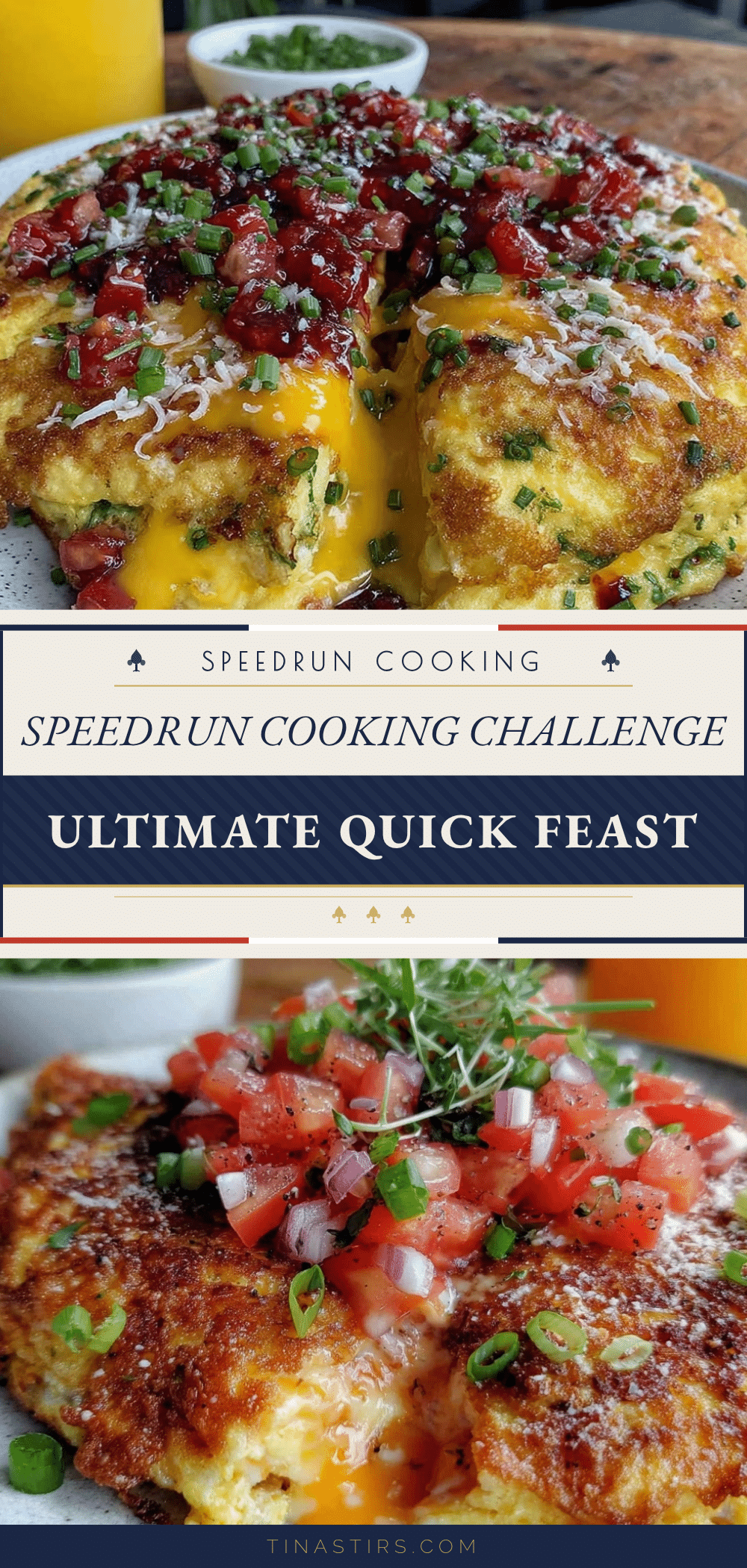
Quick Skillet Omelette Recipe Easy 5-Minute Speedrun Challenge

A fast and easy skillet omelette recipe perfect for busy mornings, ready in under 5 minutes with simple ingredients and a fluffy texture.
- Prep Time: 2 minutes
- Cook Time: 3 minutes
- Total Time: 5 minutes
- Yield: 1 serving 1x
- Category: Breakfast
- Cuisine: American
Ingredients
- 3 large eggs (room temperature for best fluffiness)
- 2 tablespoons milk or cream (dairy-free milk like almond or oat milk can be used)
- ¼ teaspoon salt
- Freshly ground black pepper, to taste
- 1 tablespoon unsalted butter
- ¼ cup shredded sharp cheddar or mozzarella cheese (or feta/goat cheese as a substitute)
- Optional fillings: ¼ cup diced bell peppers, chopped spinach, mushrooms, or cooked bacon
- Fresh herbs like chopped chives or parsley for garnish
Instructions
- Crack 3 large eggs into a mixing bowl. Add 2 tablespoons of milk or cream, ¼ teaspoon salt, and freshly ground black pepper to taste. Whisk vigorously until the mixture is uniform and slightly frothy.
- Place a non-stick skillet over medium heat. Add 1 tablespoon of unsalted butter and let it melt completely, swirling to coat the pan evenly. The butter should foam but not brown.
- Pour the egg mixture into the skillet. Let it sit undisturbed for about 20 seconds, then gently stir the edges with a spatula, pushing cooked egg toward the center. When the eggs look mostly set but still slightly runny on top, it’s time for the fillings.
- Sprinkle shredded cheese and optional fillings evenly over one half of the omelette. Ensure veggies are pre-cooked or finely chopped to avoid sogginess.
- Using a silicone spatula, carefully fold the omelette in half over the fillings. Let it cook another 30-60 seconds to melt the cheese and finish setting the eggs. The bottom should be golden but not browned. Lower heat if pan gets too hot.
- Slide the omelette onto a plate and sprinkle with fresh herbs like chopped chives or parsley. Serve immediately.
Notes
Use medium heat to avoid burnt edges and rubbery texture. Whisk eggs until frothy for fluffiness. Pre-cook watery vegetables to prevent sogginess. Fold gently with a silicone spatula to avoid tearing. Prepare fillings ahead to save time.
Nutrition
- Serving Size: 1 omelette
- Calories: 275
- Sugar: 1
- Sodium: 300
- Fat: 18
- Saturated Fat: 7
- Carbohydrates: 3
- Fiber: 1
- Protein: 19
Keywords: quick omelette, skillet omelette, easy breakfast, 5-minute recipe, fluffy omelette, fast breakfast, simple ingredients