Love this? Save it for later!
Share the inspiration with your friends
This was supposed to be a batch of classic, crisp gingerbread men. The kind you hang on the tree or use to build a house that looks like a Pinterest board came to life. I had the molasses measured, the ginger measured twice, and a whole afternoon set aside for precise rolling and cutting. Then my three-year-old decided it was the perfect moment to “help” by dumping half a cup of extra butter into the mixer while I was answering the phone. I stared at the dough, which was now a soft, sticky mess. The oven was preheated. The kids were already asking when the cookies would be ready. I was, honestly, one melted butter stick away from calling for takeout.
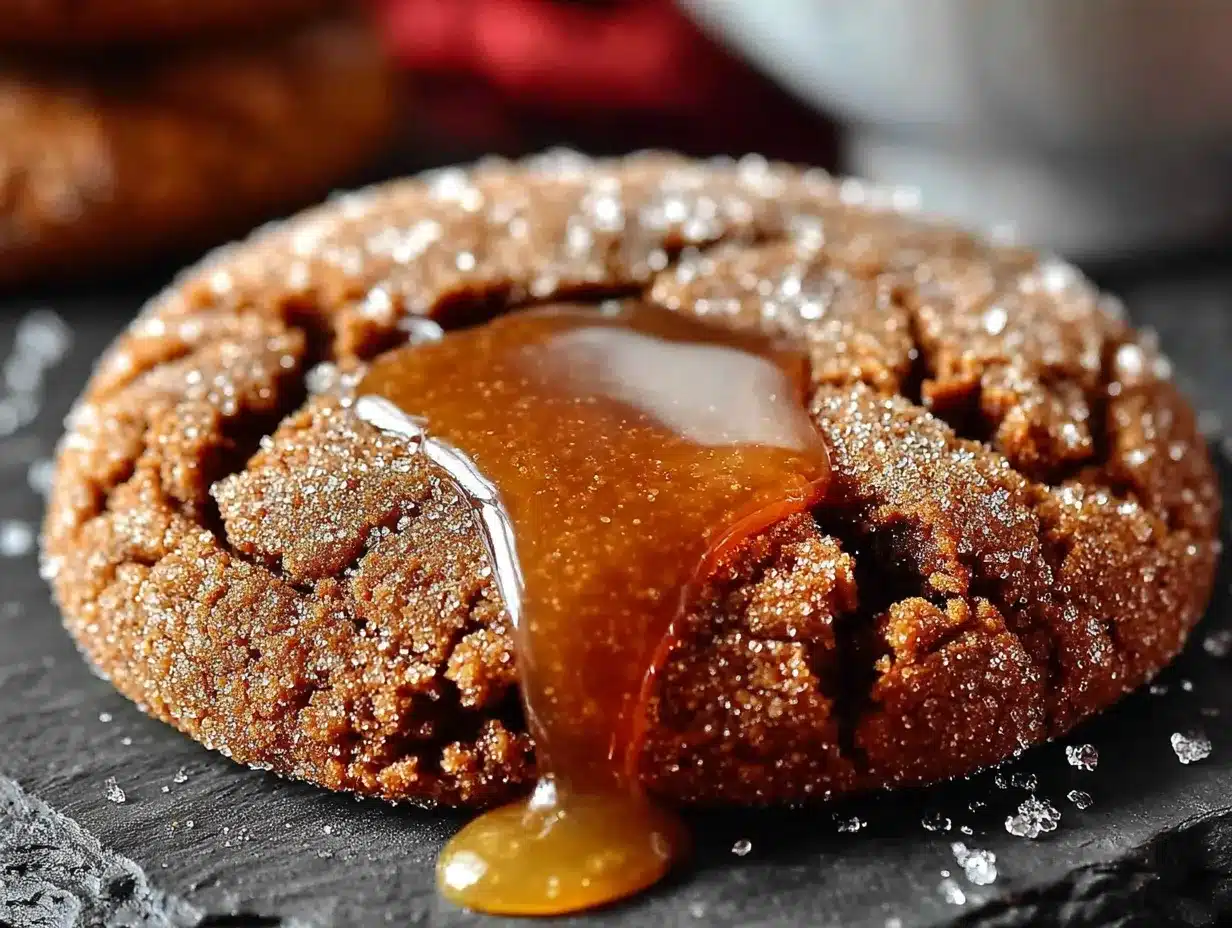
But I couldn’t waste that molasses. It’s not cheap, you know. So I did what any tired parent with a sticky counter and a deadline would do—I threw the dough into the fridge to firm up, crossed my fingers, and baked a test cookie anyway. What came out of the oven was nothing like my original plan. It was puffy, impossibly soft, and had a crumb that practically dissolved on your tongue. My daughter took one bite, looked at me like I’d just discovered fire, and said, “Mom, these are the best cookies ever.” And that, my friends, is how a baking disaster became our family’s most requested recipe.
Maybe you’ve been there. You try to make something picture-perfect, and life—or a toddler with a butter knife—gets in the way. These soft gingerbread cookies are proof that sometimes the best recipes come from the messiest moments. They’re the kind of cookie you make when you want the smell of ginger and molasses filling your house, but you also want a cookie that’s more hug than crunch. They stay soft for days, which is a miracle in my house, and that molasses glaze on top? Pure magic. Let me tell you, I’ve never looked back at those crisp gingerbread men. This happy accident is here to stay.
Why You’ll Love This Recipe
Let’s be real for a second. I’ve tested a lot of gingerbread cookie recipes over the years. Some were too dry. Some were too spicy. Some turned into hockey pucks by the next morning. This one? It’s the Goldilocks of gingerbread cookies, and I say that with zero exaggeration. I’ve made it for school bake sales, holiday parties, and random Tuesday afternoons, and it never fails to get that “oh, wow” reaction.
Here’s why this recipe stands out from the crowd:
- Soft and Chewy, Not Hard: These cookies stay pillowy for days. No stale gingerbread here. The extra butter and careful baking time make all the difference.
- Kid-Approved Spice Level: The ginger and cinnamon are warm and cozy without being overwhelming. Even picky eaters go back for seconds.
- Simple Pantry Ingredients: You probably have everything in your kitchen right now. No trips to a specialty store for obscure spices.
- Perfect for Busy Families: The dough comes together in about 15 minutes. Chill it while you help with homework, then bake. Easy.
- That Molasses Glaze: It’s not just pretty. It adds a rich, deep sweetness that takes these cookies from good to unforgettable.
I’ve had friends tell me this recipe is “dangerous” because they can’t stop eating them. One neighbor said her kids asked for them instead of birthday cake. Honestly, I get it. There’s something about the texture—soft in the middle, slightly crisp around the edges, with that glossy glaze on top—that hits every comfort note. Whether you’re making them for a holiday gathering or just because it’s Wednesday, these cookies deliver.
What Ingredients You Will Need
This recipe uses simple, wholesome ingredients to deliver that classic gingerbread flavor with a soft, tender texture. Most of these are pantry staples, so you can whip up a batch whenever the craving hits.
For the Cookies
- 3 cups all-purpose flour (spooned and leveled; I prefer Gold Medal for consistent results)
- 1 teaspoon baking soda (make sure it’s fresh for proper rise)
- 2 teaspoons ground ginger (adds warmth without being too spicy)
- 1 teaspoon ground cinnamon (for that cozy aroma)
- 1/2 teaspoon ground cloves (a little goes a long way)
- 1/2 teaspoon salt (balances the sweetness)
- 3/4 cup unsalted butter, softened (I use Land O’Lakes; salted works too, just skip the added salt)
- 3/4 cup packed brown sugar (light or dark—dark gives more molasses flavor)
- 1/2 cup molasses (not blackstrap; use Grandma’s or Brer Rabbit for best flavor)
- 1 large egg, room temperature (cold egg can seize the dough)
- 1 teaspoon vanilla extract (pure, not imitation)
For the Molasses Glaze
- 1 cup powdered sugar, sifted (no lumps allowed)
- 2 tablespoons molasses (same kind as above)
- 1-2 tablespoons milk (whole milk gives a creamier glaze; dairy-free works too)
- 1/4 teaspoon vanilla extract (optional, but nice)
Ingredient Tips: For the softest cookies, make sure your butter is truly softened—not melted, not rock hard. Leave it on the counter for about an hour. And please, don’t use blackstrap molasses here. It’s too bitter and will overpower the cookies. Stick with regular or mild molasses. If you’re out of brown sugar, you can mix 3/4 cup white sugar with 1 tablespoon molasses, but honestly, just use the real stuff. It makes a difference.
For a dairy-free version, swap the butter with a good vegan butter stick (I like Earth Balance) and use oat milk in the glaze. The texture will be slightly different, but still delicious.
Equipment Needed
You don’t need a fancy kitchen to make these cookies. Here’s what I use every time:
- Electric mixer (hand or stand—both work great; I’ve used my trusty KitchenAid for years)
- Large mixing bowl
- Medium mixing bowl
- Whisk (for the dry ingredients)
- Rubber spatula (for scraping the bowl)
- Plastic wrap (for chilling the dough)
- Baking sheets (I use light-colored metal ones for even baking)
- Parchment paper (non-stick and easy cleanup)
- Cookie scoop or tablespoon (for uniform cookies)
- Cooling rack (essential for the glaze to set properly)
If you don’t have an electric mixer, you can cream the butter and sugar by hand with a wooden spoon. It takes a little elbow grease, but it’s totally doable. I’ve done it when my mixer was on the fritz, and the cookies turned out just fine. Also, if you don’t have parchment paper, you can grease the baking sheets lightly, but parchment really does make cleanup a breeze.
Preparation Method
Alright, let’s make some cookies. This process is straightforward, but I’ve added notes from my own trial and error so you don’t make the same mistakes I did.
Step 1: Mix the Dry Ingredients
In a medium bowl, whisk together the flour, baking soda, ginger, cinnamon, cloves, and salt. Set this aside. Make sure there are no clumps of baking soda—nobody wants a bitter bite.
Step 2: Cream the Butter and Sugar
In a large bowl, beat the softened butter and brown sugar together on medium speed until light and fluffy, about 3 minutes. Scrape the sides of the bowl halfway through. This step is important—proper creaming adds air, which helps the cookies stay soft.
Step 3: Add the Wet Ingredients
Add the molasses, egg, and vanilla extract to the butter mixture. Beat on low until combined. The mixture might look a little curdled at this point—don’t panic. That’s normal. It will come together when you add the flour.
Step 4: Combine Wet and Dry
Gradually add the dry ingredients to the wet mixture, mixing on low speed. Stop as soon as the flour disappears. Overmixing will make the cookies tough. The dough will be soft and slightly sticky—that’s what we want.
Step 5: Chill the Dough
Cover the bowl with plastic wrap and refrigerate for at least 2 hours, or overnight. I know, waiting is hard. But this step is non-negotiable for soft cookies. Chilling firms up the butter, which prevents the cookies from spreading too much in the oven. Trust me, I’ve skipped it before, and I ended up with flat, crispy discs.
Step 6: Preheat and Prep
When you’re ready to bake, preheat your oven to 350°F (175°C). Line your baking sheets with parchment paper.
Step 7: Shape the Cookies
Scoop the dough into 1.5-tablespoon balls (about the size of a walnut). Roll them between your palms to make smooth balls. Place them on the prepared baking sheets, spacing them about 2 inches apart. They won’t spread much, so you can fit about 12 per sheet.
Step 8: Bake
Bake for 9-11 minutes. The cookies should look puffy and set around the edges, but still soft in the center. They will look slightly underdone—that’s perfect. They continue baking on the hot sheet after you pull them out. Overbaking is the #1 cause of dry gingerbread.
Step 9: Cool
Let the cookies cool on the baking sheet for 5 minutes. Then transfer them to a wire rack to cool completely before glazing. If you glaze them while they’re warm, the glaze will melt into a puddle. Ask me how I know.
Step 10: Make the Glaze
In a small bowl, whisk together the powdered sugar, molasses, 1 tablespoon of milk, and vanilla. Add more milk, a teaspoon at a time, until you reach a drizzling consistency. It should be thick but pourable.
Step 11: Glaze the Cookies
Drizzle the glaze over the cooled cookies using a spoon or a piping bag with a small tip. Let the glaze set for about 30 minutes before stacking or serving. If you’re impatient like me, you can put them in the fridge for 15 minutes.
Cooking Tips & Techniques
I’ve made this recipe more times than I can count, and I’ve learned a few things the hard way. Here are my best tips for perfect soft gingerbread cookies every time.
Don’t Overbake: This is the golden rule. Pull the cookies out when they look puffy and soft. They will firm up as they cool. If you wait until they look fully done, they’ll be dry. I learned this after a batch of brick-like cookies that my kids refused to eat.
Room Temperature Ingredients Matter: Cold egg or cold butter can make the dough stiff and hard to mix. Set everything out an hour before you start. Your mixer will thank you.
Chill the Dough Thoroughly: I know it’s tempting to skip this, but don’t. Chilled dough bakes into thicker, softer cookies. Warm dough spreads into thin, crispy ones. If you’re in a hurry, you can pop the dough in the freezer for 30 minutes, but 2 hours in the fridge is best.
Use a Cookie Scoop: For uniform cookies that bake evenly, use a cookie scoop. I have a 1.5-tablespoon scoop that I use for everything. It saves time and makes the cookies look professional.
Test Your Baking Soda: If your baking soda is old, your cookies won’t rise properly. To test it, drop a little bit into vinegar. If it fizzes vigorously, it’s good. If not, buy a new box.
Glaze Timing: Let the cookies cool completely before glazing. I once glazed a slightly warm cookie, and the glaze slid right off into a sticky mess on the rack. Patience pays off here.
Variations & Adaptations
One of the best things about this recipe is how versatile it is. Here are some ways I’ve changed it up depending on the occasion or what I have on hand.
Spice It Up or Down
For a milder cookie, reduce the ginger to 1 teaspoon and skip the cloves. For a spicier kick, add 1/4 teaspoon of black pepper or a pinch of cayenne. I made a batch with extra ginger for a holiday party, and the adults loved the warmth.
Gluten-Free Version
Swap the all-purpose flour with a 1:1 gluten-free baking flour blend (I like Bob’s Red Mill). The texture will be slightly more delicate, so handle the dough gently. Chill it for an extra 30 minutes to make it easier to work with.
Add Mix-Ins
Fold in 1/2 cup of chocolate chips, white chocolate chips, or chopped crystallized ginger before chilling. The chocolate version is dangerously good—my kids beg for it. For a festive twist, add 1/4 cup of dried cranberries and a handful of chopped pecans.
Cookie Cutters
If you want shaped cookies, roll the dough to 1/4-inch thickness between two sheets of parchment paper, then chill for 1 hour before cutting. Bake for 8-10 minutes. They won’t be as soft as the drop version, but they’re still delicious and hold their shape well.
No Molasses Glaze
If you’re short on time, skip the glaze and dust the cookies with powdered sugar instead. Or drizzle them with a simple icing made from powdered sugar and milk. The cookies are fantastic either way.
Serving & Storage Suggestions
These cookies are at their best when served slightly warm with a cold glass of milk. But let’s be honest—they’re amazing at room temperature too. I’ve been known to eat three in a row while standing at the counter.
Serving Ideas:
- Pair them with hot cocoa or spiced chai for a cozy treat.
- Serve them alongside vanilla ice cream for a simple dessert.
- Stack them on a plate for a holiday cookie platter—they look beautiful next to sugar cookies and shortbread.
- Wrap them in cellophane bags with a ribbon for homemade gifts. Everyone loves receiving these.
Storage Instructions:
- Room Temperature: Store in an airtight container for up to 5 days. Place a slice of bread in the container to keep them extra soft—the cookies absorb the moisture from the bread. Replace the bread every other day.
- Refrigerator: They’ll last up to 2 weeks in the fridge, but let them come to room temperature before serving for the best texture.
- Freezer: Freeze the unglazed baked cookies for up to 3 months. Wrap them tightly in plastic wrap and then foil. Thaw at room temperature, then glaze before serving. You can also freeze the dough balls—just scoop them, freeze on a sheet pan, then transfer to a freezer bag. Bake from frozen, adding 2-3 minutes to the baking time.
Flavor Development: These cookies actually taste better the next day. The spices meld together overnight, creating a deeper, more complex flavor. So don’t worry if you make them a day ahead—they’ll be even more delicious.
Nutritional Information & Benefits
Let’s be real—these are cookies, not health food. But they do have some redeeming qualities. Here’s a rough estimate per cookie (based on 36 cookies):
| Nutrient | Amount |
|---|---|
| Calories | 145 |
| Total Fat | 6g |
| Saturated Fat | 3.5g |
| Cholesterol | 20mg |
| Sodium | 95mg |
| Total Carbohydrates | 22g |
| Sugars | 12g |
| Protein | 2g |
Health Highlights: Molasses is a good source of iron, calcium, and magnesium. Ginger has anti-inflammatory properties and can help with digestion. So while these aren’t a superfood, they’re not empty calories either. I feel good about giving them to my kids as an occasional treat, especially compared to store-bought cookies with preservatives and artificial flavors.
Dietary Notes: This recipe contains wheat and dairy. For a dairy-free version, use vegan butter and plant-based milk in the glaze. For a gluten-free version, use a 1:1 gluten-free flour blend. The cookies won’t be quite as soft, but they’re still delicious.
Conclusion
These soft gingerbread cookies with molasses glaze have become a staple in my kitchen for a reason. They’re forgiving, they’re delicious, and they make the whole house smell like the holidays. Whether you’re baking with little helpers who want to “help” or you just need a quick treat to brighten a Tuesday, this recipe delivers every time.
I love that I can make the dough ahead, bake a few at a time, and have fresh cookies whenever the mood strikes. The glaze adds that extra touch that makes them feel special, but honestly, they’re just as good without it. Don’t be afraid to make this recipe your own—add a little extra cinnamon, throw in some chocolate chips, or skip the glaze entirely. The beauty of a recipe born from a happy accident is that it’s meant to be played with.
So go ahead, preheat that oven, and give these cookies a try. I promise you won’t regret it. And when your family asks for more (because they will), just smile and say, “I know, right?” If you make them, I’d love to hear how they turned out. Drop a comment below or tag me in your photos. Happy baking, friends!
Frequently Asked Questions
Can I use blackstrap molasses in this recipe?
I wouldn’t recommend it. Blackstrap molasses is much darker and more bitter than regular molasses. It will overpower the cookies and make them taste less sweet. Stick with mild or regular molasses for the best flavor.
Why did my cookies turn out flat?
Flat cookies usually mean the dough wasn’t chilled long enough, or the butter was too warm. Make sure you chill the dough for at least 2 hours. Also, check that your baking soda is fresh—old baking soda won’t give the cookies enough lift.
Can I freeze the dough for later?
Absolutely. Scoop the dough into balls, place them on a baking sheet, and freeze until solid. Then transfer them to a freezer bag. When you’re ready to bake, just pop them in the oven straight from the freezer, adding 2-3 minutes to the baking time. No need to thaw.
How do I keep the cookies soft for days?
Store them in an airtight container with a slice of bread. The bread absorbs excess moisture and releases it slowly, keeping the cookies soft. Replace the bread every couple of days. Also, don’t overbake—underbaked cookies stay softer longer.
Can I make these cookies without an electric mixer?
Yes, you can mix everything by hand. Use a wooden spoon to cream the butter and sugar—it takes a little more effort, but it works. Just make sure the butter is very soft before you start. The dough will be a bit stiffer to mix by hand, but the cookies will turn out just fine.
Pin This Recipe!

Kid-Approved Soft Gingerbread Cookies with Molasses Glaze

These soft gingerbread cookies are a happy accident turned family favorite. They’re pillowy, perfectly spiced, and topped with a rich molasses glaze that makes them irresistible.
- Prep Time: 15 minutes
- Cook Time: 10 minutes
- Total Time: 2 hours 25 minutes (includes chilling)
- Yield: 36 cookies 1x
- Category: Dessert
- Cuisine: American
Ingredients
- 3 cups all-purpose flour
- 1 teaspoon baking soda
- 2 teaspoons ground ginger
- 1 teaspoon ground cinnamon
- 1/2 teaspoon ground cloves
- 1/2 teaspoon salt
- 3/4 cup unsalted butter, softened
- 3/4 cup packed brown sugar
- 1/2 cup molasses (not blackstrap)
- 1 large egg, room temperature
- 1 teaspoon vanilla extract
- 1 cup powdered sugar, sifted
- 2 tablespoons molasses
- 1–2 tablespoons milk
- 1/4 teaspoon vanilla extract (optional)
Instructions
- In a medium bowl, whisk together the flour, baking soda, ginger, cinnamon, cloves, and salt. Set aside.
- In a large bowl, beat the softened butter and brown sugar together on medium speed until light and fluffy, about 3 minutes. Scrape the sides of the bowl halfway through.
- Add the molasses, egg, and vanilla extract to the butter mixture. Beat on low until combined.
- Gradually add the dry ingredients to the wet mixture, mixing on low speed. Stop as soon as the flour disappears. The dough will be soft and slightly sticky.
- Cover the bowl with plastic wrap and refrigerate for at least 2 hours, or overnight.
- When ready to bake, preheat the oven to 350°F (175°C). Line baking sheets with parchment paper.
- Scoop the dough into 1.5-tablespoon balls (about the size of a walnut). Roll them between your palms to make smooth balls. Place them on the prepared baking sheets, spacing them about 2 inches apart.
- Bake for 9-11 minutes. The cookies should look puffy and set around the edges, but still soft in the center.
- Let the cookies cool on the baking sheet for 5 minutes. Then transfer them to a wire rack to cool completely before glazing.
- In a small bowl, whisk together the powdered sugar, molasses, 1 tablespoon of milk, and vanilla. Add more milk, a teaspoon at a time, until you reach a drizzling consistency.
- Drizzle the glaze over the cooled cookies using a spoon or a piping bag with a small tip. Let the glaze set for about 30 minutes before stacking or serving.
Notes
For the softest cookies, make sure your butter is truly softened—not melted, not rock hard. Leave it on the counter for about an hour. Don’t use blackstrap molasses; it’s too bitter. For a dairy-free version, swap the butter with vegan butter and use oat milk in the glaze. The cookies actually taste better the next day as the spices meld together.
Nutrition
- Serving Size: 1 cookie
- Calories: 145
- Sugar: 12
- Sodium: 95
- Fat: 6
- Saturated Fat: 3.5
- Carbohydrates: 22
- Protein: 2
Keywords: soft gingerbread cookies, molasses glaze, kid-friendly, holiday cookies, easy gingerbread