Love this? Save it for later!
Share the inspiration with your friends
Introduction
“You know that moment when you’re trying to make scrambled eggs, but they come out all rubbery and dry? Yeah, that was me last Tuesday morning,” I said to my roommate, laughing as I cleaned up the mess. I’d been chasing the perfect scrambled eggs for years, and honestly, I thought I’d figured it out—until I stumbled upon the Gordon Ramsay method. It wasn’t from a fancy cooking class or a star-studded kitchen; it happened during a late-night YouTube binge when I was supposedly “just relaxing.”
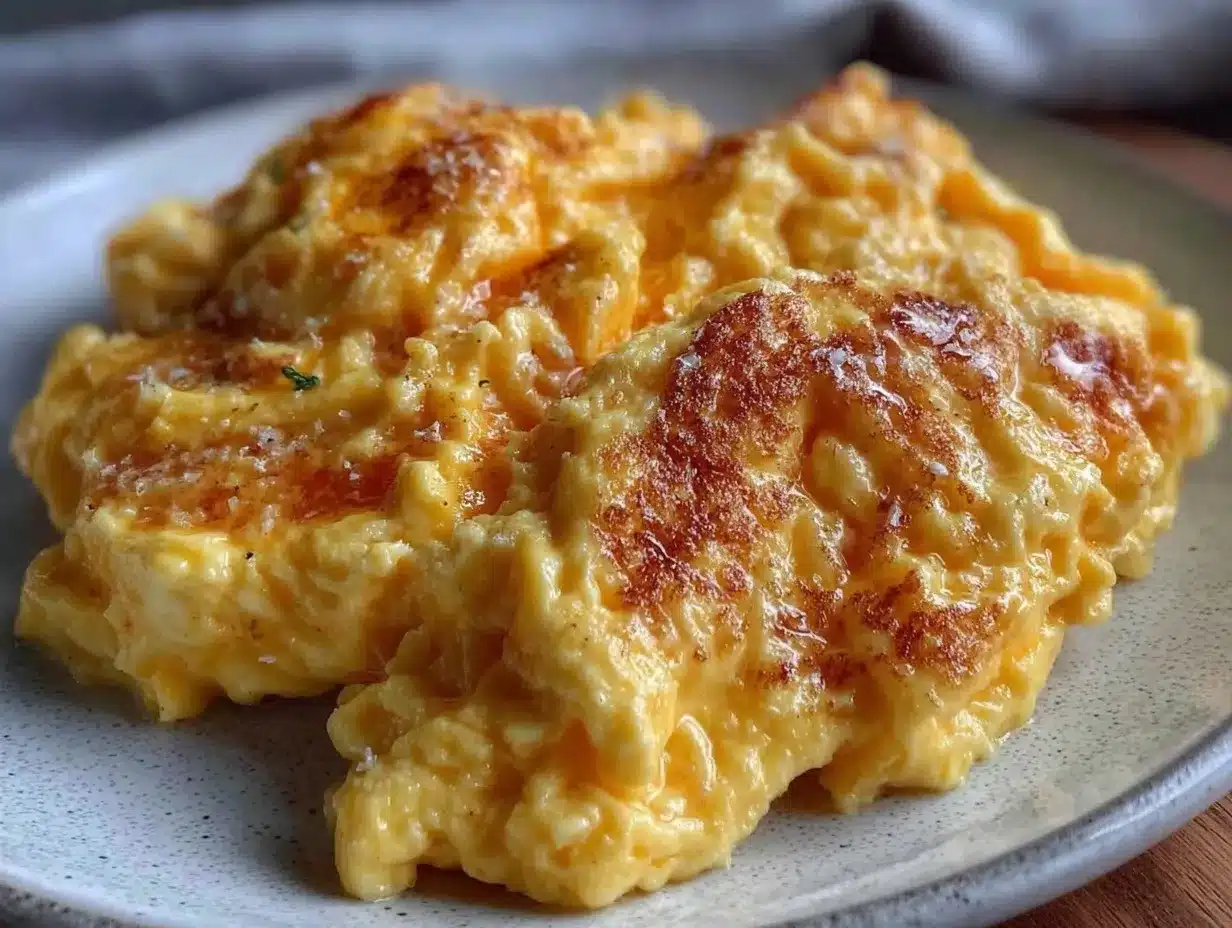
The way Ramsay moves the eggs in the pan quickly, taking the pan on and off the heat, sounded like a bit of a dance. I was skeptical at first—could scrambled eggs really need choreography? But I tried it anyway, and let me tell you, that first bite was a game-changer. Creamy yet fluffy, soft but not runny, and with this silky texture that made me close my eyes and smile. It reminded me of a small café I once found tucked away in a rainy London alley—even though I’d never tasted Ramsay’s version before, this definitely felt like breakfast royalty.
Maybe you’ve been there, stuck with eggs that just don’t hit the spot no matter how you cook them. This recipe has stuck with me because it’s forgiving, fast, and honestly, a little fun to make. Plus, it’s one of those dishes that feels fancy but takes less than 10 minutes. So if you’re ready to up your breakfast game (or just want to impress yourself), let me walk you through how to make creamy perfect scrambled eggs, Ramsay style.
Why You’ll Love This Recipe
After testing this scrambled eggs recipe dozens of times, I can say it’s truly a keeper. It’s not just about the method—it’s about the whole experience of making eggs that feel indulgent yet simple.
- Quick & Easy: Ready in under 10 minutes, perfect for rushed mornings or lazy brunches.
- Simple Ingredients: No need for expensive or hard-to-find items; just eggs, butter, salt, and pepper.
- Perfect for Breakfast or Brunch: Works great on its own or as part of a bigger spread.
- Crowd-Pleaser: Family and friends always ask how you made them so creamy and soft.
- Unbelievably Delicious: The slow, gentle cooking method creates a silky texture that’s truly next-level.
This isn’t your ordinary scrambled eggs recipe. The trick is the constant movement and temperature control—taking the pan on and off the heat to avoid overcooking. I love how this method lets the eggs cook slowly in their own steam, resulting in a velvety finish that’s hard to beat. Honestly, it feels like a little kitchen secret that makes a big difference.
It’s a recipe I keep coming back to, especially when I want a satisfying breakfast or a quick protein boost that feels a bit special. And you know what? Once you get the hang of it, you might even start craving scrambled eggs in a whole new way.
What Ingredients You Will Need
This recipe uses simple, wholesome ingredients to deliver bold flavor and that rich, creamy texture without any fuss. I always keep these items stocked because they’re pantry staples that come together beautifully here.
- Large eggs (4): Fresh and preferably free-range for the best flavor and texture.
- Unsalted butter (1 tablespoon): Adds richness and prevents sticking. I recommend Kerrygold for its creamy taste.
- Sea salt (to taste): Enhances the eggs’ natural flavor; I use Maldon flaky salt when serving.
- Freshly ground black pepper (to taste): Adds a subtle kick without overpowering.
- Crème fraîche (1 tablespoon, optional): Stirred in at the end for extra creaminess and a slight tang. You can skip this or swap with Greek yogurt for a lighter touch.
That’s it! No milk, no cream, no fancy additions—just eggs treated with care. If you want a dairy-free version, try using a little olive oil instead of butter, though it won’t be quite as silky. Also, if you’re cooking for more people, simply multiply the ingredients but be mindful to cook in batches to keep the texture consistent.
Equipment Needed
- Non-stick skillet (8-inch/20 cm recommended): Crucial for gentle cooking and easy egg movement. I’ve tried stainless steel, but non-stick is way more forgiving here.
- Rubber or silicone spatula: Flexible and gentle for stirring without breaking the eggs too much.
- Mixing bowl: For cracking and whisking the eggs before cooking.
- Whisk or fork: To beat the eggs lightly; no need for heavy whipping.
- Heat source: A stove with adjustable heat is ideal so you can quickly move the pan on and off the burner.
If you don’t have a non-stick pan, consider a well-seasoned cast iron skillet, but be prepared to watch the eggs carefully to prevent sticking. Also, a good spatula is worth investing in—mine has lasted years and makes all the difference in achieving those soft curds.
Preparation Method
- Crack the eggs into a bowl: Use 4 large eggs (about 200 g). Lightly whisk them with a fork or whisk for about 30 seconds until the yolks and whites just combine. Don’t overbeat—this helps keep the eggs tender.
- Heat the pan: Place your non-stick skillet on medium-low heat and add 1 tablespoon of unsalted butter. Let it melt gently; you don’t want it to brown or burn. This should take about 1–2 minutes.
- Add the eggs: Pour the eggs into the pan. Immediately start stirring continuously with a silicone spatula, scraping the bottom and sides of the pan. The eggs will begin to set almost immediately, so keep them moving to avoid sticking.
- Temperature control: Here’s the crucial part—every 20 seconds or so, lift the pan off the heat but keep stirring. This on-off heat process prevents the eggs from cooking too fast and drying out. It also allows the residual heat to gently cook the eggs, creating that creamy texture. Keep alternating between on and off the heat for about 3–4 minutes total.
- Look for soft curds: The eggs will start to form soft, creamy curds and look slightly runny—that’s perfect. Don’t wait for them to fully firm up because they will continue cooking even after you take them off the heat.
- Final seasoning and optional crème fraîche: Take the pan off the stove completely. Add salt and pepper to taste, then stir in 1 tablespoon of crème fraîche if using. This adds a lovely richness and smooth finish. Give it one last gentle stir.
- Serve immediately: Transfer the scrambled eggs to warm plates right away to avoid overcooking. Garnish with extra black pepper or fresh herbs if you like.
Pro tip: While cooking, don’t rush! This recipe is about patience and gentle heat. If your eggs look like they’re cooking too fast or sticking, lower the heat or remove the pan sooner. I’ve found that using this method, even a small interruption—like a phone call—won’t ruin the eggs, so you can stay relaxed.
Cooking Tips & Techniques
- Constant stirring is key: Keep the eggs moving gently but continuously to create small curds and prevent overcooking.
- Temperature management: Ramsay’s genius move is taking the pan off the heat frequently. This slows cooking and avoids rubbery eggs.
- Use fresh eggs: They make a noticeable difference in texture and flavor.
- Butter vs. oil: Butter adds flavor and creaminess, but if you’re vegan or allergic, olive oil can work—just expect a different texture.
- Don’t salt too early: Salt can break down the eggs and make them watery if added before cooking. Season near the end instead.
- Experiment with crème fraîche: It’s optional but adds a silky finish that’s worth trying at least once.
- Watch out for overcooking: Take the eggs off the heat while they’re still slightly runny; they’ll finish cooking from residual heat.
I once got distracted mid-cooking and let the eggs sit too long—they turned dry and crumbly. Lesson learned: stay focused and keep stirring. Also, if you want to multitask, prepare your toast or coffee before you start the eggs so you can give the eggs your full attention.
Variations & Adaptations
- Cheesy scramble: Add a handful of grated cheddar or Parmesan cheese during the last minute of cooking for extra richness.
- Herb-infused: Stir in fresh chopped chives, dill, or parsley after cooking for a fresh burst of flavor.
- Dairy-free version: Replace butter with avocado oil or olive oil, and skip the crème fraîche or swap for coconut yogurt.
- Fluffy version: Whisk the eggs with a splash of milk or cream before cooking to make a lighter, fluffier scramble.
- Spicy twist: Add a pinch of smoked paprika or a few drops of hot sauce just before serving for some heat.
Personally, I love trying the herb-infused version on weekends when I have fresh parsley from the farmer’s market. It brightens the creamy eggs beautifully without overpowering the delicate texture.
Serving & Storage Suggestions
Serve your creamy scrambled eggs hot from the pan—warmth is part of the magic here. They pair wonderfully with crispy bacon, buttered toast, or even a simple avocado salad for a balanced breakfast. A cup of freshly brewed coffee or a glass of fresh orange juice completes the meal perfectly.
If you have leftovers (rare, but it happens), store them in an airtight container in the refrigerator for up to 2 days. Reheat gently over low heat or in a microwave on a low setting, stirring occasionally to prevent drying out. Keep in mind, reheated scrambled eggs won’t be quite as creamy as fresh, but they still taste good!
Flavors develop subtly overnight, especially if you add fresh herbs after reheating. So, if you’re okay with a slightly firmer texture, this can be a handy make-ahead option for busy mornings.
Nutritional Information & Benefits
This recipe provides a satisfying source of protein, healthy fats, and essential vitamins. Four large eggs contain approximately 280 calories, 20 grams of protein, and 21 grams of fat, including heart-healthy monounsaturated fats from butter. Eggs are rich in choline, which supports brain health, and vitamin D, which aids immunity.
For those watching cholesterol or calories, you can reduce the butter or skip the crème fraîche without losing too much of the creamy texture. This recipe is naturally gluten-free and low-carb, making it a solid choice for many dietary preferences.
From a wellness perspective, creamy scrambled eggs provide a balanced start to the day, keeping you full and energized while offering a comforting, homey feel.
Conclusion
If you’ve struggled with scrambled eggs that never quite hit that creamy, soft spot, the Gordon Ramsay method will feel like a revelation. It’s simple but requires a bit of patience and attention—worth every second for the luscious texture and rich flavor it delivers. I love this recipe because it turns an everyday staple into something special without fuss or fancy ingredients.
Feel free to tweak the seasoning or add your favorite mix-ins to make this recipe your own. And hey, if you try it, let me know how it goes! Your kitchen dance with the eggs might just become your new favorite morning ritual.
Now, grab your pan and butter, and let’s make some scrambled eggs you’ll want to savor every single time.
FAQs
How do I prevent scrambled eggs from becoming dry?
Cook them on low heat and stir constantly, taking the pan off the heat periodically to slow cooking, like in the Ramsay method. Also, remove the eggs while slightly runny, as they continue cooking off the heat.
Can I make scrambled eggs without butter?
Yes, you can use olive oil or avocado oil instead, but butter adds richness and creaminess that’s hard to match.
Why does Gordon Ramsay take the pan on and off the heat?
This technique controls the temperature, preventing the eggs from cooking too quickly and turning rubbery. It lets the eggs cook gently in their own steam for a creamy texture.
Is crème fraîche necessary in this recipe?
Not at all! It’s optional but adds extra creaminess and a slight tang. You can substitute with Greek yogurt or skip it altogether.
Can I prepare scrambled eggs ahead of time?
You can refrigerate leftovers for up to 2 days and reheat gently, but fresh scrambled eggs always taste best.
Pin This Recipe!

Creamy Perfect Scrambled Eggs Gordon Ramsay Method

This recipe teaches you how to make creamy, soft scrambled eggs using Gordon Ramsay’s method of gentle heat and constant stirring, resulting in a silky texture and rich flavor.
- Prep Time: 2 minutes
- Cook Time: 6 minutes
- Total Time: 8 minutes
- Yield: 2 servings 1x
- Category: Breakfast
- Cuisine: British
Ingredients
- 4 large eggs (about 7 oz / 200 g)
- 1 tablespoon unsalted butter
- Sea salt to taste
- Freshly ground black pepper to taste
- 1 tablespoon crème fraîche (optional)
Instructions
- Crack the eggs into a bowl and lightly whisk with a fork or whisk for about 30 seconds until yolks and whites just combine. Do not overbeat.
- Heat a non-stick skillet over medium-low heat and add 1 tablespoon of unsalted butter. Let it melt gently without browning (about 1–2 minutes).
- Pour the eggs into the pan and immediately start stirring continuously with a silicone spatula, scraping the bottom and sides of the pan.
- Every 20 seconds, lift the pan off the heat but keep stirring. Alternate between on and off the heat for about 3–4 minutes total to prevent overcooking.
- Look for soft, creamy curds and slightly runny eggs; remove from heat before fully firm.
- Take the pan off the stove completely. Add salt and pepper to taste, then stir in 1 tablespoon of crème fraîche if using. Stir gently once more.
- Serve immediately on warm plates to avoid overcooking. Garnish with extra black pepper or fresh herbs if desired.
Notes
Constant stirring and temperature control by taking the pan on and off the heat are key to achieving creamy, soft scrambled eggs. Do not salt eggs before cooking to avoid watery texture. Use fresh eggs for best flavor. Butter adds richness but olive oil can be used for dairy-free version. Remove eggs while slightly runny as they continue cooking off heat.
Nutrition
- Serving Size: 1 cup scrambled eggs
- Calories: 280
- Sugar: 1
- Sodium: 150
- Fat: 21
- Saturated Fat: 9
- Carbohydrates: 2
- Protein: 20
Keywords: scrambled eggs, Gordon Ramsay, creamy eggs, breakfast recipe, easy scrambled eggs, soft eggs, brunch