Love this? Save it for later!
Share the inspiration with your friends
I had claimed to hate sangria for years. A solid decade, maybe more. The summer I turned thirty, my friend Claire hosted a backyard party and handed me a glass of something cold and fruity, and I took a polite sip waiting to be proven right. Red wine, chopped apples, some kind of syrupy sweetness that always tasted a little bit like cough syrup to me. I handed it back with a smile and reached for a beer instead.
Then last November, on a gray Tuesday that felt more like February than late autumn, I found myself standing in my kitchen with a bottle of crisp white wine, two Bosc pears going soft on the counter, and a bag of cranberries I’d bought on a whim because they were pretty. I wasn’t trying to make sangria. I was trying to use up what I had before the weekly grocery run. But somewhere between slicing that first pear and watching the cranberries bob in the wine, something clicked. This wasn’t the cloying, heavy stuff I’d turned my nose up at all those years. This was light, bright, and somehow exactly what a cold afternoon needed.
I poured myself a glass and sat down at the kitchen table. My neighbor Linda knocked on the door two minutes later, drawn by the smell of cinnamon and orange drifting through the cracked window. She stayed for an hour. We finished the pitcher. I mean it—we actually finished the whole thing, sitting there in our sweaters, watching the light fade, talking about nothing important. That’s when I knew this recipe was different. It didn’t try to be a party trick or a showstopper. It just made a quiet afternoon feel like something worth remembering. Maybe you’ve been there—that moment when a recipe you never expected to love becomes the one you keep coming back to.
Why You’ll Love This Recipe
This cozy winter white wine sangria with pear and cranberry is the kind of drink that makes you slow down. It’s not about getting fancy or impressing anyone. It’s about having something beautiful to sip while you’re making dinner or sitting by the window watching the snow pile up.
- Quick & Easy: This comes together in about 10 minutes of active prep time. You literally slice fruit, pour wine, and let the fridge do the rest. Perfect for those days when you want something special but don’t have the energy for a project.
- Simple Ingredients: A bottle of decent but not expensive white wine, seasonal pears, fresh or frozen cranberries, a cinnamon stick, and some orange juice. That is it. No fancy liqueur hunt required.
- Perfect for Cozy Winter Gatherings: This sangria is made for chilly evenings, casual holiday get-togethers, or just a quiet Wednesday when you need something warm in your hands even if the drink itself is cold.
- Crowd-Pleaser: I have served this to people who “don’t like wine” and watched them go back for thirds. The fruit does the heavy lifting, and the wine just carries it along.
- Unbelievably Delicious: The flavor combination is honestly perfect. The pears soften and soak up the wine, the cranberries burst with tartness, and the cinnamon gives it that cozy warmth without being heavy. It tastes like winter in a glass, but in a bright, refreshing way.
What makes this version different from every other sangria out there is the balance. Most white sangrias lean too sweet or too tart. This one sits right in the middle. The pears bring a mellow sweetness, the cranberries cut through with acidity, and the cinnamon adds a layer of comfort that makes it feel like a hug. I tested this recipe four times before I got the ratios right. The first batch was too tart. The second was too sweet. The third needed more cinnamon. The fourth? I closed my eyes after the first sip and knew I was done.
This sangria isn’t just good—it is the kind of drink that makes you want to call a friend and say “come over.” It’s comfort in a glass, but lighter and brighter than you’d expect. Perfect for impressing guests without stress, or turning an ordinary evening into something that feels a little bit special.
What Ingredients You Will Need
This recipe uses simple, seasonal ingredients to create a sangria that is refreshing, cozy, and perfectly balanced. Most of these are pantry staples or easy winter fruit finds. Here is what you will need:
- 1 bottle (750 ml) dry white wine – I recommend a Pinot Grigio, Sauvignon Blanc, or an unoaked Chardonnay. You don’t need expensive wine here. Something in the $10-$15 range works beautifully. I personally like a crisp Pinot Grigio for this because it lets the fruit shine without competing.
- 2 ripe but firm Bosc pears – Bosc pears hold their shape well and have a lovely honeyed sweetness. Anjou or Bartlett also work. Look for pears that yield slightly to pressure at the stem but aren’t mushy. Slice them thin so they soak up the wine faster.
- 1 cup fresh or frozen cranberries – Fresh cranberries are gorgeous and float beautifully in the pitcher. Frozen work just as well and actually help chill the sangria faster. Do not use dried cranberries here—they will rehydrate and get weird.
- 1/2 cup orange juice – Fresh squeezed is lovely, but store-bought is perfectly fine. Just make sure it is not from concentrate with added sugar. The orange juice adds brightness and helps tie the fruit flavors together.
- 1/4 cup honey or maple syrup – This is where you control the sweetness. Honey gives a floral note that pairs beautifully with the pears. Maple syrup adds a deeper, almost woodsy sweetness. Use whichever you have. For a vegan option, go with maple syrup.
- 1 cinnamon stick – One stick is enough to infuse the sangria with warmth without making it taste like a candle. Do not use ground cinnamon unless you want a cloudy, gritty drink.
- 1 orange, sliced into rounds – Adds visual appeal and a pop of citrus flavor. Leave the peel on for a slightly bitter edge that balances the sweetness.
- 1 cup sparkling water or ginger ale – Added just before serving for fizz. Sparkling water keeps it lighter. Ginger ale adds a hint of spice that plays nicely with the cinnamon. I use ginger ale when I want a little extra warmth.
- Ice cubes – Optional, but recommended if you are serving immediately. The sangria will already be chilled from the fridge, but ice keeps it cold as you sip.
Ingredient Selection Tips: For the best texture, choose pears that are ripe but still firm. If they are too soft, they will break apart in the sangria and make it cloudy. For the cranberries, I prefer fresh in season (October through December), but frozen work year-round and are often cheaper. I have used both, and honestly, I cannot tell the difference after the sangria sits overnight.
Substitution Guidance: If you want a non-alcoholic version, use a good quality white grape juice or non-alcoholic wine instead of the white wine. The flavor will be sweeter and fruitier, but still delicious. For a gluten-free option, make sure your sparkling water or ginger ale is certified gluten-free—most are, but it is worth checking.
Equipment Needed
You do not need much to make this sangria, which is part of the beauty. Here is what you will need:
- Large pitcher (2-quart capacity) – Glass or ceramic works best. A clear glass pitcher lets you see the fruit floating around, which honestly makes it look so pretty. I use a simple glass pitcher I picked up at a thrift store for three dollars.
- Sharp knife and cutting board – For slicing the pears and orange. A serrated knife works well for citrus, but any sharp knife will do.
- Measuring cups and spoons – For the orange juice and honey. Eyeballing is fine if you are comfortable, but measuring ensures consistency the first time.
- Wooden spoon or long-handled stirrer – For mixing everything together without crushing the fruit.
- Refrigerator space – The sangria needs at least 4 hours to chill and meld. Overnight is better. Make sure your pitcher fits on a shelf where it won’t get knocked over.
- Wine glasses or tumblers – Stemmed wine glasses look elegant, but I actually prefer serving this in short tumblers. They feel cozier, more casual, and you can hold them with both hands to warm your fingers.
Budget-Friendly Alternatives: If you don’t own a pitcher, a large mason jar or even a clean milk jug works in a pinch. Just transfer it to something nicer before serving. And if you don’t have a wooden stirrer, a chopstick or even a butter knife will get the job done. I once stirred sangria with a clean spatula. It worked fine.
Preparation Method
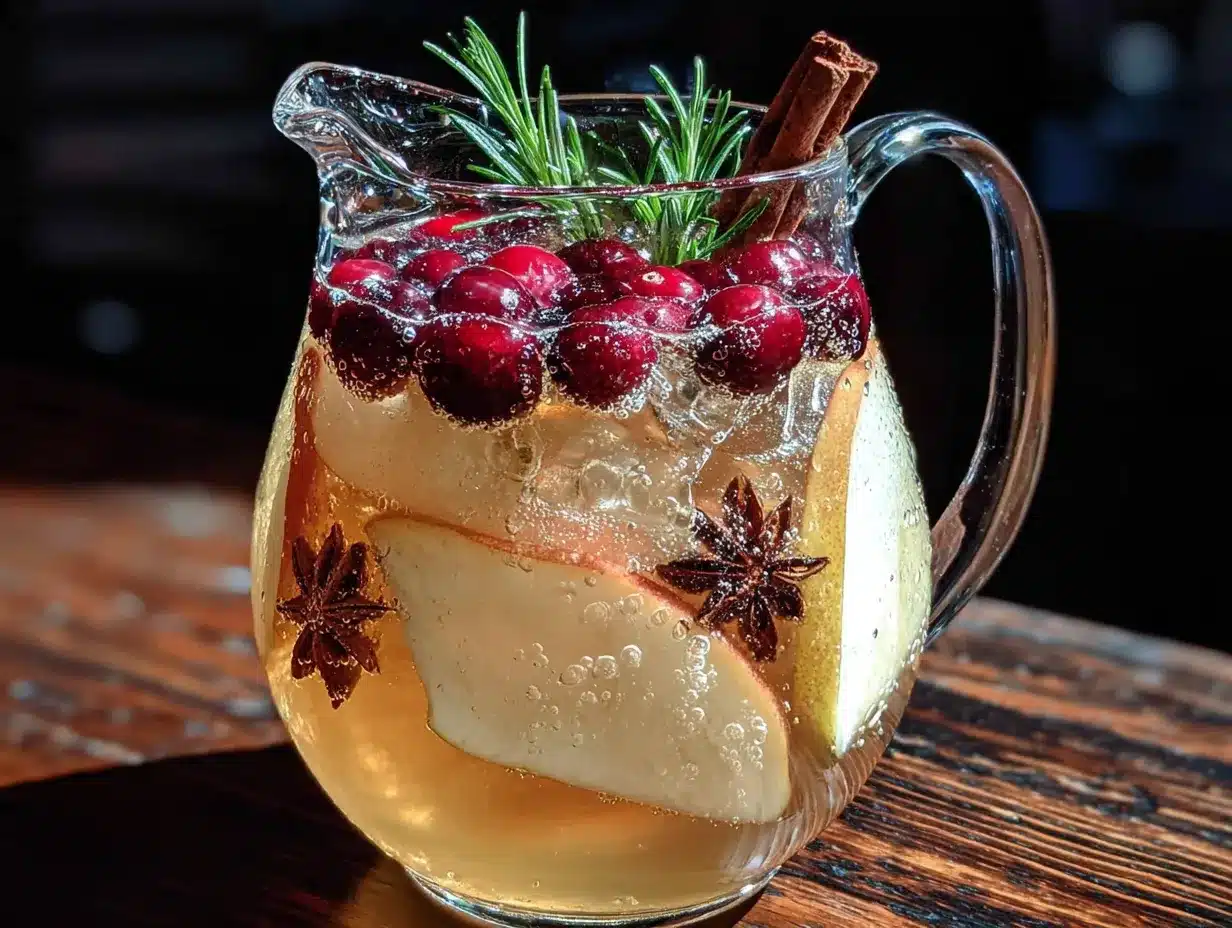
Making this cozy winter white wine sangria is almost embarrassingly easy. The hardest part is waiting for it to chill. Here is how to do it:
- Prepare the fruit. Wash the pears and cranberries thoroughly. Slice the pears into thin wedges, about 1/4 inch thick. Leave the skin on—it adds color and a little texture. Slice the orange into thin rounds. If the orange seeds bother you, pick them out with the tip of your knife. Place all the fruit in the bottom of your pitcher.
- Add the cinnamon stick. Drop the cinnamon stick into the pitcher with the fruit. Let it nestle in there. It will infuse slowly as the sangria chills.
- Mix the sweetener and orange juice. In a small bowl or measuring cup, whisk together the honey (or maple syrup) and orange juice until the honey is fully dissolved. This step matters—if you pour honey straight into cold wine, it will sink to the bottom and never mix properly. I learned this the hard way with my first batch. Do not skip this.
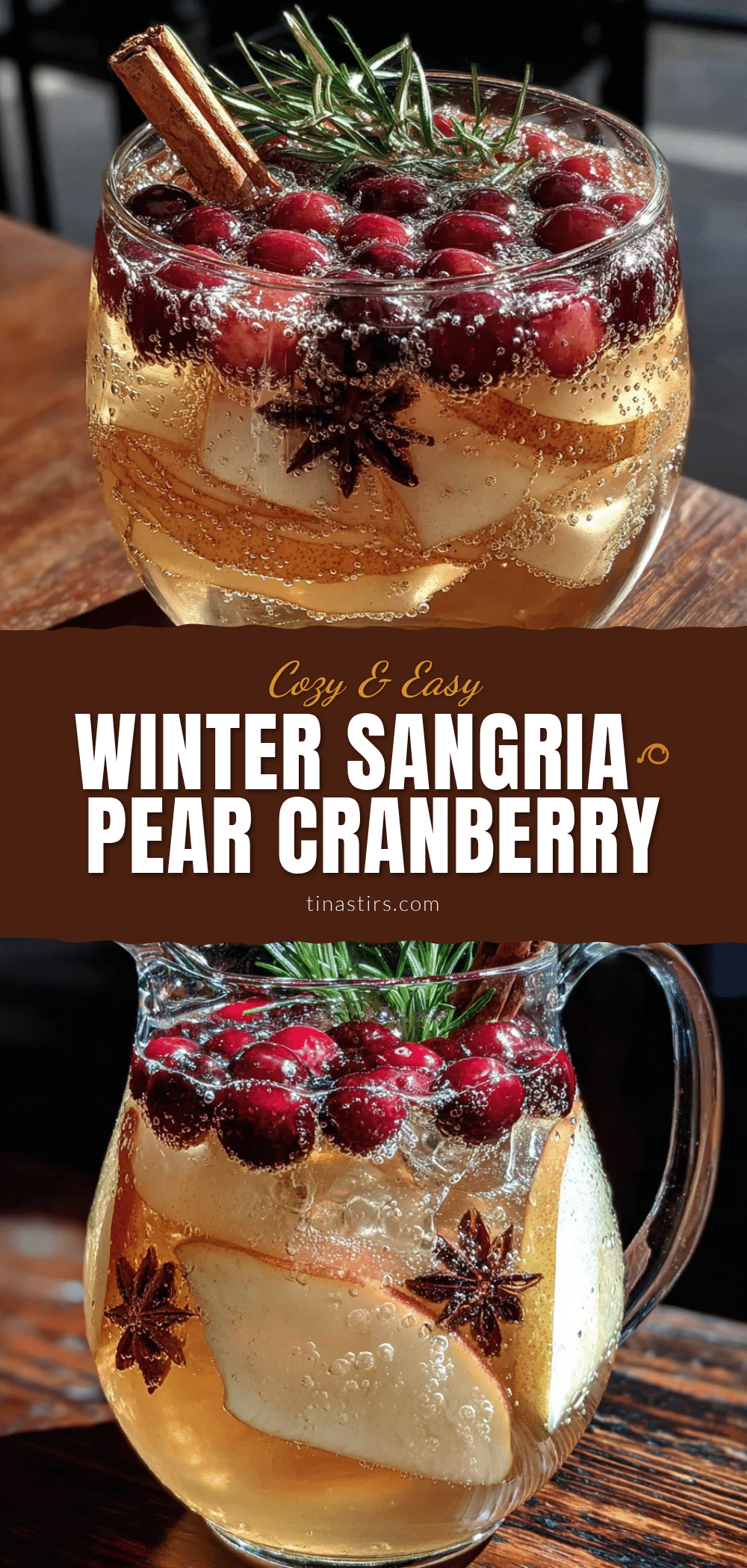
- Pour in the wine. Open the bottle of white wine and pour it over the fruit and cinnamon stick. Then pour in the honey-orange juice mixture. Give everything a gentle stir with your wooden spoon. The fruit will start floating around immediately, and the colors will look gorgeous—pale gold, deep red, bright orange.
- Chill. Cover the pitcher with plastic wrap or a lid and place it in the refrigerator. Let it sit for at least 4 hours. Overnight is better. The longer it chills, the more the fruit absorbs the wine and the flavors meld together. I have let this go up to 24 hours, and it was incredible. The pears turn slightly translucent and take on a pinkish hue from the cranberries.
- Add the fizz just before serving. When you are ready to serve, take the pitcher out of the fridge. Remove the cinnamon stick if you want a milder flavor, or leave it in for extra warmth. Pour in the sparkling water or ginger ale. Stir gently to combine. The fizz will wake everything up and make it feel fresh and lively.
- Serve over ice (optional). Fill your glasses with ice cubes if you like, then pour the sangria over the top. Use a slotted spoon to add some of the macerated fruit to each glass. The fruit is honestly the best part—the pears get soft and wine-soaked, and the cranberries burst with tartness. Do not skip the fruit.
Troubleshooting Tips: If your sangria tastes too tart after chilling, stir in an extra tablespoon of honey dissolved in a little warm water. If it tastes too sweet, add a squeeze of fresh lemon juice. If the flavors feel flat, you probably did not let it chill long enough. Give it another hour or two. Patience pays off here.
Sensory Cues: When the sangria is ready, the pears should look slightly softened and have taken on a pale pink tint from the cranberries. The liquid should be a clear, golden-pink color. The smell should be fruity and warm with a hint of cinnamon. Take a deep breath before you pour. That is the smell of a good evening ahead.
Cooking Tips & Techniques
After making this sangria more times than I can count, I have picked up a few tricks that make a real difference. Here are the ones I wish I had known from the start:
Let the fruit soak overnight. I know I said 4 hours minimum, but honestly, 12 to 24 hours is where the magic happens. The pears absorb the wine and become almost like a boozy dessert. The cranberries soften just enough to burst in your mouth. The cinnamon settles into every sip. If you can plan ahead, make this the day before you want to serve it. Your future self will thank you.
Do not skip the honey-orange juice step. I mentioned this in the instructions, but it bears repeating. Honey is thick and stubborn. If you pour it directly into cold wine, it clumps and sinks. Whisking it into the orange juice first ensures it disperses evenly. This is one of those small steps that separates good sangria from great sangria.
Taste before serving. Flavors change as the sangria chills. The sweetness mellows, the tartness softens, and the cinnamon becomes more pronounced. Always taste it right before you add the sparkling water. Adjust the sweetness or acidity then. Once you add the fizz, you are committed.
Keep the cinnamon stick whole. I once broke a cinnamon stick in half thinking it would infuse faster. It did infuse faster—too fast. The sangria ended up tasting like a Christmas candle. One whole stick is plenty for a full pitcher. Trust the process.
Use a slotted spoon for serving. The fruit is gorgeous and delicious, but it can be a pain to fish out of the pitcher. A slotted spoon makes it easy to portion fruit into each glass without making a mess. I keep one hooked on the rim of the pitcher so it is always ready.
Common mistake: over-mixing. Once you stir the sangria, the fruit starts to break down. Gentle stirring is fine. Aggressive stirring will turn your beautiful sangria into murky fruit soup. Be kind to your fruit.
Variations & Adaptations
One of the best things about this sangria is how easy it is to adapt. Here are some variations I have tried and loved:
Spiced Apple Sangria: Swap the pears for thinly sliced Honeycrisp or Fuji apples. Add a star anise pod along with the cinnamon stick. The apple version is slightly crisper and has a more traditional fall flavor. I made this for Thanksgiving last year, and it disappeared in twenty minutes.
Rosé Winter Sangria: Use a dry rosé instead of white wine. The pink color is stunning with the red cranberries and orange slices. Rosé tends to be a little fruitier, so you can reduce the honey to 2 tablespoons. This version feels a bit more romantic, perfect for a date night at home.
Non-Alcoholic Winter Punch: Replace the white wine with a good quality white grape juice or a non-alcoholic sparkling wine. Use ginger ale for the fizz. The flavor is sweeter and more juice-like, but still incredibly refreshing. I serve this version when kids are around or when I want something lighter. It is honestly delicious enough that I sometimes choose it over the alcoholic version.
Herbal Infusion: Add a few sprigs of fresh rosemary or thyme to the pitcher before chilling. The herbal notes cut through the sweetness and add an unexpected layer of complexity. I tried this on a whim one afternoon and was shocked by how well it worked. Rosemary and pear are a classic pairing for a reason.
Citrus Burst: Add lemon and lime slices along with the orange. The extra citrus brightens the whole drink and makes it feel more vibrant. This variation is especially good if you are serving the sangria as a brunch drink. It pairs beautifully with savory dishes like quiche or breakfast casserole.
Dietary Adaptations: For a low-sugar version, use a dry wine and swap the honey for a sugar-free sweetener like monk fruit or stevia. The fruit will still provide natural sweetness. For a vegan version, use maple syrup instead of honey. Everything else is naturally plant-based.
Serving & Storage Suggestions
This sangria is best served cold, straight from the refrigerator. The ideal serving temperature is around 40-45°F, which is right where your fridge keeps it. Pour it into glasses filled with ice for maximum refreshment, or skip the ice if you want the flavors to be more concentrated.
Presentation Tips: I love serving this in clear glass tumblers so the colors show through. Add a few pieces of macerated fruit to each glass—the pears, cranberries, and orange slices floating together are genuinely beautiful. If you want to get fancy, garnish each glass with a fresh cinnamon stick or a small sprig of rosemary. It makes the drink look like it came from a fancy cocktail bar, but you made it in your kitchen in ten minutes.
Complementary Dishes: This sangria pairs beautifully with cheese boards, roasted nuts, and light appetizers. It also works well alongside cozy winter meals like roasted chicken, creamy pasta, or hearty soups. For dessert, serve it with something simple like shortbread cookies or dark chocolate. The fruitiness of the sangria balances the richness of the food.
Storage Instructions: The sangria will keep in the refrigerator for up to 3 days. Store it in a sealed pitcher or a large jar. The fruit will continue to soften and infuse, which is actually a good thing. The flavors get deeper and more complex over time. However, do not add the sparkling water until you are ready to serve. The fizz will dissipate overnight, leaving you with flat sangria. I learned this the hard way when I tried to make a big batch for a party and added the sparkling water the night before. It was still tasty, but it lacked that lively sparkle.
Reheating Note: Do not heat this sangria. It is meant to be served cold. If you want a warm winter drink, try mulled wine instead. This one stays in the fridge.
Flavor Development: The sangria is good after 4 hours, better after 12 hours, and at its absolute peak around 24 hours. After that, the fruit starts to break down and the texture becomes a bit mushy. Still delicious, but not as pretty. Plan accordingly.
Nutritional Information & Benefits
While sangria is certainly a treat, this version is lighter and more wholesome than many cocktail options. Here is an approximate nutritional breakdown per serving (based on 6 servings, without ice):
| Nutrient | Amount Per Serving |
|---|---|
| Calories | 185 |
| Total Fat | 0g |
| Carbohydrates | 28g |
| Sugar | 22g (naturally occurring from fruit and honey) |
| Fiber | 3g |
| Vitamin C | 25% of Daily Value |
| Potassium | 180mg |
Health Benefits: Pears are a good source of fiber and vitamin C, and cranberries are packed with antioxidants that support immune health—especially welcome during winter months. The orange juice adds a boost of vitamin C, and cinnamon has anti-inflammatory properties. While this is not a health drink by any means, it is made with real, whole ingredients, which is more than you can say for most bottled cocktails.
Dietary Considerations: This recipe is naturally dairy-free, egg-free, and nut-free. For a vegan version, use maple syrup instead of honey. For a gluten-free version, ensure your sparkling water or ginger ale is certified gluten-free. The sugar content comes primarily from the fruit and honey, so it is lower than many pre-mixed cocktails or sweetened wines.
Personal Wellness Perspective: I love that this sangria feels like a real treat without being loaded with artificial flavors or excessive sugar. It is the kind of drink I feel good about serving to friends and family because I know exactly what is in it. Plus, the fruit counts as a serving of produce. I mean, that is something, right?
Conclusion
This cozy winter white wine sangria with pear and cranberry is proof that the best recipes are often the simplest. It started as a way to use up fruit on a gray Tuesday and turned into the drink I now look forward to making all winter long. It is bright without being tart, sweet without being heavy, and cozy without being complicated.
I hope you make this sangria your own. Adjust the sweetness, swap the fruit, experiment with herbs or spices. That is the beauty of a recipe like this—it is a starting point, not a rulebook. Maybe you will serve it at a holiday gathering and watch it disappear. Maybe you will make it on a quiet night and enjoy every sip by yourself. Either way, it will be exactly what you need.
If you try this recipe, I would love to hear about it. Leave a comment below and let me know how it turned out, or share your own twist on it. Did you use apples instead of pears? Did you add a splash of brandy? Tell me everything. And if you are looking for more cozy winter recipes, check out my mulled wine for a warm option, or my winter fruit salad for a non-alcoholic treat that uses similar seasonal ingredients.
Until next time, grab a glass, find a cozy spot, and take a moment to slow down. You deserve it.
Frequently Asked Questions
Can I make this sangria ahead of time?
Absolutely. In fact, I recommend it. Make the sangria (without the sparkling water) up to 24 hours in advance and store it in the refrigerator. Add the sparkling water just before serving for the best fizz. The flavors will be deeper and more developed after a full day of chilling.
What is the best wine to use for white sangria?
A dry white wine like Pinot Grigio, Sauvignon Blanc, or an unoaked Chardonnay works best. You want a wine that is crisp and not too sweet, because the fruit and honey will add plenty of sweetness. Avoid oaky or buttery wines, as they can clash with the bright fruit flavors. A $10-$12 bottle is perfect.
Can I use frozen fruit for this recipe?
Yes, frozen cranberries work beautifully. You can also use frozen pear slices if fresh pears are not in season. Just keep in mind that frozen fruit will release more liquid as it thaws, which may slightly dilute the sangria. This is not a problem—just reduce the orange juice by a tablespoon or two to compensate.
How do I make this sangria less sweet?
Use a drier white wine and reduce the honey to 2 tablespoons or even omit it entirely. The fruit provides natural sweetness, especially if your pears are ripe. You can also add a squeeze of fresh lemon juice to balance the sweetness. Taste the sangria after it has chilled for a few hours and adjust from there.
Can I add liquor to make it stronger?
Yes, if you want a boozier sangria, add 1/4 cup of brandy, pear liqueur, or triple sec along with the wine. I have tried it with brandy, and it adds a lovely warmth that complements the cinnamon. Just be careful not to overdo it—the alcohol can overpower the delicate fruit flavors. Start with a small amount and add more to taste.
Pin This Recipe!
Cozy Winter White Wine Sangria with Pear & Cranberry
A light, bright, and cozy white wine sangria made with ripe pears, tart cranberries, and a hint of cinnamon. Perfect for chilly winter afternoons and casual gatherings.
- Prep Time: 10 minutes
- Cook Time: 0 minutes
- Total Time: 4 hours 10 minutes (includes chilling time)
- Yield: 6 servings 1x
- Category: Beverage
- Cuisine: American
Ingredients
- 1 bottle (750 ml) dry white wine (Pinot Grigio, Sauvignon Blanc, or unoaked Chardonnay)
- 2 ripe but firm Bosc pears, thinly sliced
- 1 cup fresh or frozen cranberries
- 1/2 cup orange juice
- 1/4 cup honey or maple syrup
- 1 cinnamon stick
- 1 orange, sliced into rounds
- 1 cup sparkling water or ginger ale
- Ice cubes (optional)
Instructions
- Wash the pears and cranberries. Slice pears into thin wedges (about 1/4 inch thick) and the orange into thin rounds. Place all fruit in a large pitcher.
- Add the cinnamon stick to the pitcher.
- In a small bowl, whisk together honey (or maple syrup) and orange juice until honey is fully dissolved.
- Pour the white wine over the fruit, then add the honey-orange juice mixture. Stir gently.
- Cover and refrigerate for at least 4 hours, preferably overnight (12-24 hours).
- Just before serving, remove the cinnamon stick if desired, then stir in sparkling water or ginger ale.
- Serve over ice (optional), using a slotted spoon to add some macerated fruit to each glass.
Notes
For best flavor, let the sangria chill overnight. Do not add sparkling water until ready to serve. If too tart, stir in extra honey dissolved in warm water; if too sweet, add lemon juice. Use a slotted spoon to serve fruit.
Nutrition
- Serving Size: 1 glass (about 8 oz)
- Calories: 185
- Sugar: 22
- Sodium: 10
- Carbohydrates: 28
- Fiber: 3
Keywords: white wine sangria, winter sangria, pear cranberry sangria, cozy sangria, holiday sangria, easy sangria recipe